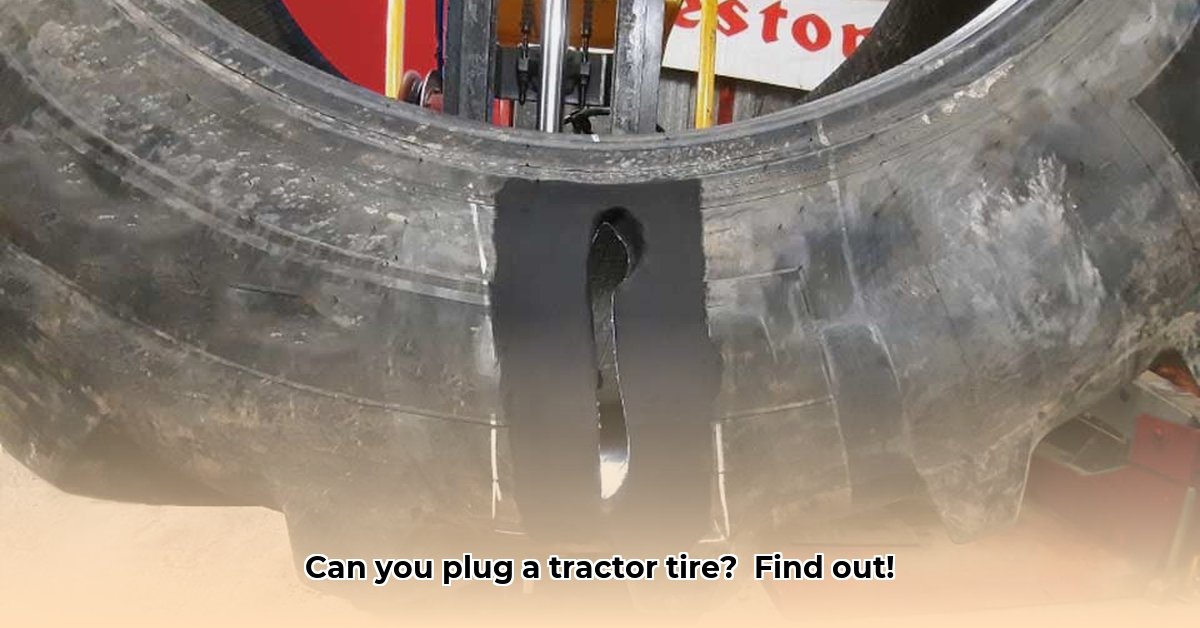
Assessing the Damage: When to Plug and When to Replace
Before you grab your tools, carefully inspect the tire. A small, clean puncture is ideal for plugging. However, large gashes, punctures in the sidewall, or significant damage require professional patching or tire replacement. Safety is paramount; if unsure, consult a tire professional. Remember, a properly plugged tire can significantly extend its lifespan, reducing waste and saving money. For fluid-filled tires, learn more about filling them here: Fluid-filled tire info.
Gathering Your Eco-Friendly Supplies
This section details the necessary materials for a sustainable tractor tire repair. Choosing eco-friendly options minimizes environmental impact while ensuring a durable repair.
High-Quality Tire Plugs: Invest in durable, rubber plugs specifically designed for agricultural tires. Prioritize plugs made from recycled rubber whenever possible, supporting sustainable manufacturing practices and minimizing waste. (Consider plugs with a high tensile strength for extended lifespan.)
Plug Insertion Tool: This tool simplifies plug insertion, ensuring a clean and accurate placement. (Avoid using makeshift tools; a proper tool prevents damage.)
Tire Repair Cement: Opt for a non-toxic, biodegradable cement specifically formulated for tire repairs. (Check labels for eco-friendly certifications. High-quality cement ensures a strong, lasting seal.)
Protective Gear: Always wear gloves and safety glasses to protect yourself from sharp objects, chemicals, and debris. (Safety first! Proper gear prevents injuries and protects your eyes.)
Clean Rags: Use clean rags to thoroughly clean the puncture area before applying the repair. (Cleanliness is crucial for a successful repair.)
(Optional) Environmentally Friendly Tire Fluid: If your tires are fluid-filled, select a biodegradable, eco-friendly replacement fluid. (Using a greener fluid minimizes environmental impact.)
Step-by-Step Tractor Tire Plugging
These numbered steps—with accompanying images (not included here, but crucial for a real publication)—provide a clear, concise guide to fixing a flat.
Locate and Clean: Carefully identify the puncture and thoroughly clean the surrounding area, removing any debris or foreign objects. (Proper cleaning prevents contamination and ensures secure adhesion.)
Prepare the Plug: Follow the manufacturer's instructions to prepare the plug, often involving sharpening the tip or applying adhesive. (Preparation ensures proper insertion and a strong seal.)
Insert the Tool: Carefully insert the plug insertion tool into the puncture. (Steady pressure prevents damage to the tire.)
Push the Plug Through: Push the plug completely through the puncture using the tool, ensuring it reaches the inner liner. (Apply even pressure to avoid tearing the inner liner.)
Trim Excess: Once the plug is in place, trim any excess material flush with the tire surface. (A flush finish prevents wear and tear.)
Re-Inflate (Fluid-Filled Tires): If fluid-filled, refill with the selected eco-friendly fluid, ensuring the correct amount, and inflate to the recommended pressure. (Use an accurate tire pressure gauge.)
Troubleshooting: Common Problems and Solutions
Addressing potential issues proactively ensures a successful repair.
Plug Won't Go In: The puncture might be too small or the plug too large. Gently enlarge the hole using a tire reamer, or use a smaller plug. (Use the correct sized tools.)
Tire Still Leaks: The plug may not be fully seated. Remove, clean the area, and retry. If the leak persists, a patch may be necessary. (Persistence is key, but know your limits.)
Fluid Contamination (Fluid-Filled Tires): Ensure no debris entered the tire during repair. Any contamination can shorten the tire's lifespan. (If you're unsure, seek a second opinion.)
Environmental Considerations: Sustainable Farming Practices
Choosing eco-friendly materials significantly reduces environmental impact. Proper disposal of used materials and the cost savings compared to replacement contribute to sustainable farming practices. Repairing tires significantly reduces the volume of waste sent to landfills, a benefit for both the environment and your wallet. How much money could you save by repairing your tires in a year? Consider the long-term cost savings.
Conclusion: A Greener, More Economical Approach
By following these steps and using eco-friendly materials, you can successfully plug a tractor tire, minimizing environmental impact and saving money. Remember to always prioritize safety and consult a professional for significant tire damage. Sustainable practices are in the best interests of both your farm and our planet.